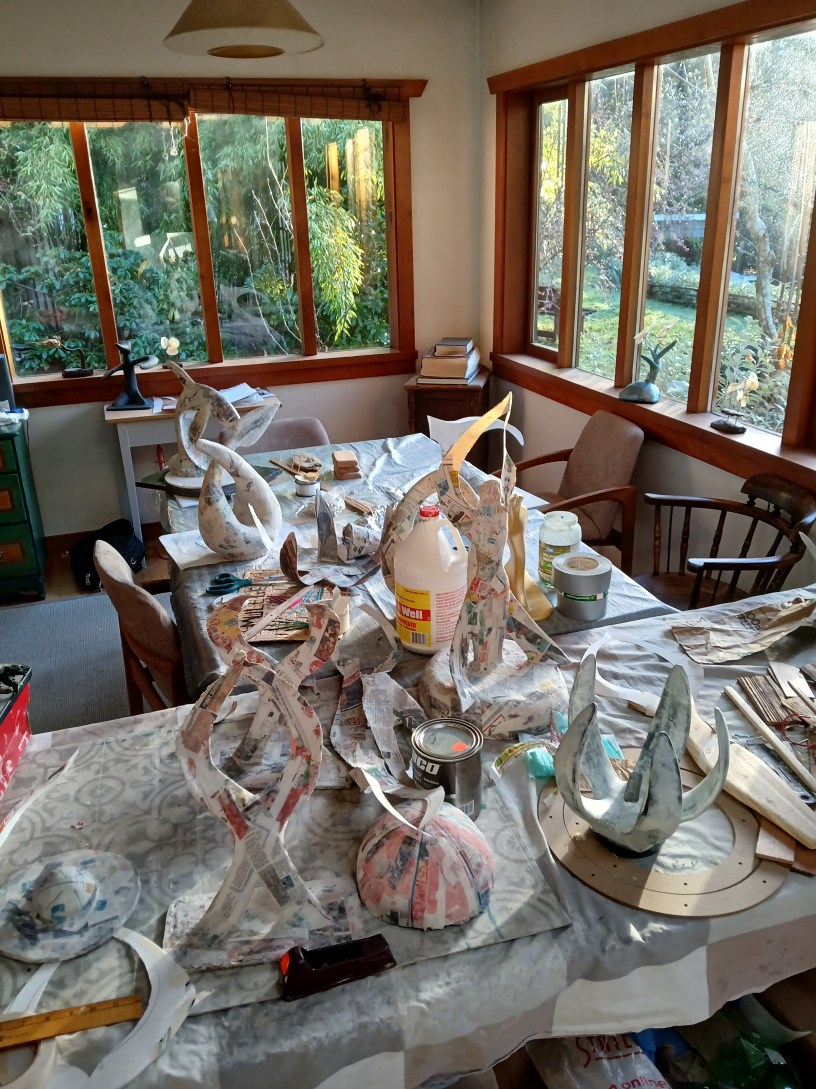
Gordon’s sculptures are created in much the same way one might shape a curious piece of wood; mostly with wood rasps and sandpaper; hand-crafted in the most literal sense.
Sculpting Paper In Four Easy Steps:
- Creating the basic form of a sculpture is light work because it’s made very slowly, one tiny strip of paper at a time. A tediously slow process, but the result is a very precise form as the sculpture effectively grows like a tree into its final iteration; growing from the ground up and center out.
- Between each paper layering/drying cycle the sculpture is smoothed and refined with rasps and coarse sandpaper. Hence the ultimate form is achieved by removing not adding material.
- Because paper doesn’t finish as nicely as wood, the completed paper sculpture is painted with several layers of gypsum (joint compound), which after final sanding feels smooth as wood. Or i can paint on a textured finish.
- I am fond of creating multi-layered hand-painted acrylic finishes often adding a metallic or pearlescent additive. Ultra-soft camel hair brushes rival spray painting for smoothness.
Et Voila! Beautifully finished, hand-crafted sculptures, a Paper Ballet.
Paper Sculptures Pro and Cons:
Paper is a wonderfully flexible medium for creating sculptures between 12 – 24 inches tall or wide.
Sculptures bigger or more weatherproof than that are better made with construction grade materials like concrete or wood.
If you want to make sculptures with ultra-fine details, then clay or wood would be a better choice.
Despite these restrictions on working with paper, it remains my favorite medium for creating sculptures.
My work has almost nothing in common with making traditional paper mache sculptures. The professional on that score is Jonni Good, and her website is UltimatePaperMache.com
Her Youtube channel has 387K subscribers.
Saludos, Gordon
Other Gord Ideas. . .
My latest is called Blinkin’ Stix, made from split cedar they appear to blink while spinning in the slightest breeze. But can become dangerous at higher wind speeds (rpm) as they generate lift–which results in the stick diving higher or lower (depends on direction of rotation) than its normal trajectory. Video available on my Youtube channel.
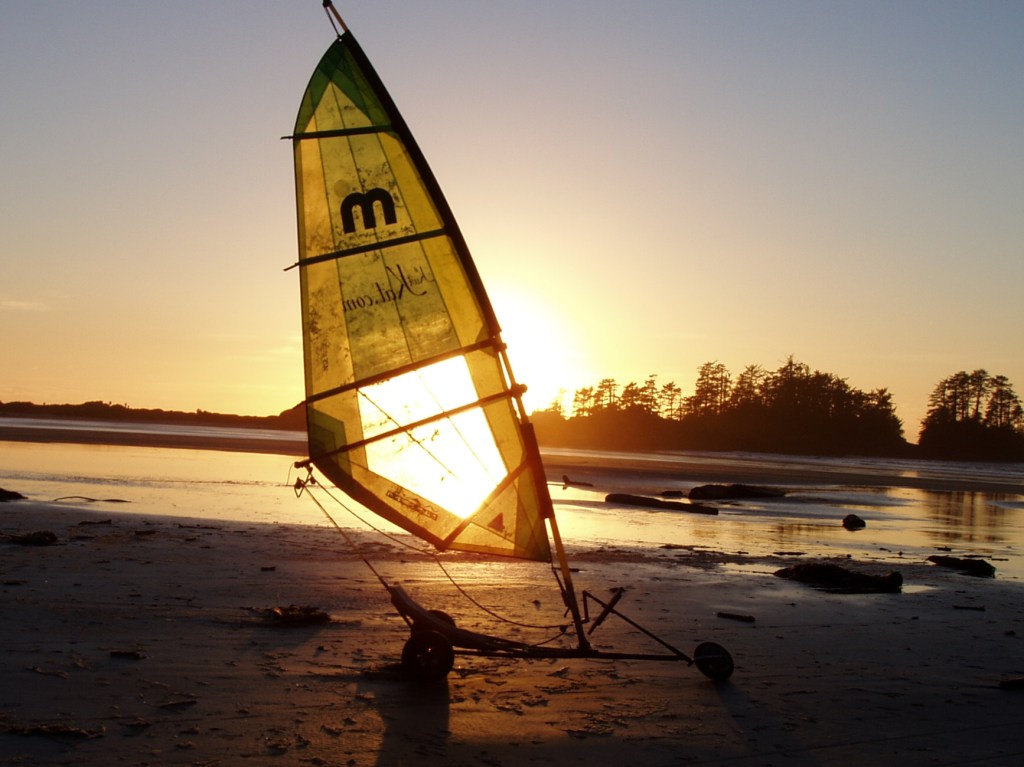
How about a wind-powered trike? Sailing down the beach at 50 Km/hr is quite a thrill especially on two-wheels, effectively turning the trike into a ultra-light sail-powered motorcycle. Top speed 60km/h, and a best afternoon of 100 miles in four hours of sailing on a five mile beach. Over a windy three month period in 2010, i sailed 1,600 Kms–costing $0.00. Video available on my Youtube channel.
 Paper Ballet